GROW NATIVE!
We want to help you select local plants that thrive in our natural habitat but are also both beautiful and economical. This will result in plants that are easier to care for and better support our local ecosystem. Our Grow Native initiative is here to help show you the way!
News and Blog Items
Here are some recent and interesting items. Click the link for the full article.
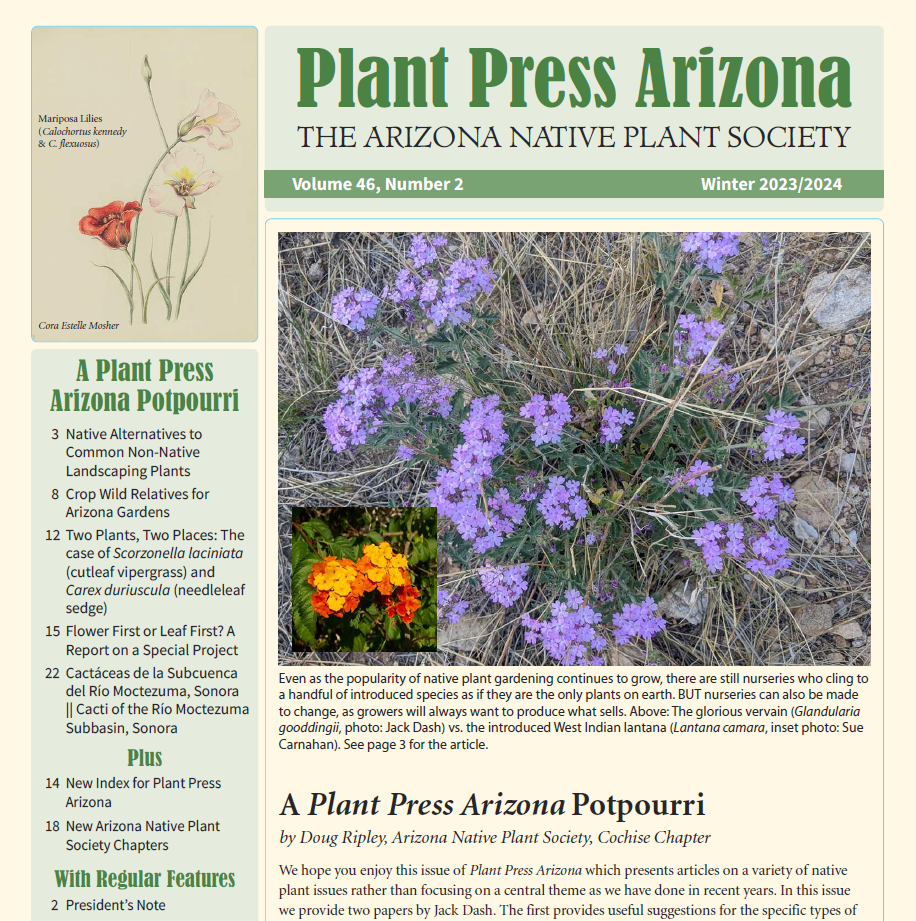
- Our latest issue of the PLANT PRESS ARIZONA, Winter 2023/2024, is online here.
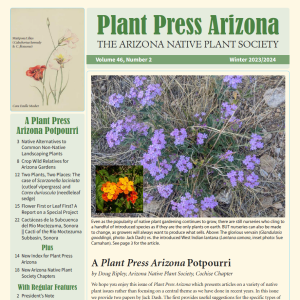 Read about Native Alternatives to Common Non-Native Landscaping Plants. Oleander? Vinca? Heavenly Bamboo? Lantana? We suggest native alternatives. Book Review, News, and more.
 - National Orchid Conference
 2024 NOC SYMPOSIUM TO MEET IN WEST/CENTRAL LOUISIANA & EAST TEXAS We are delighted to report that symposium planning is progressing nicely. Excitement is building as we prepare for our visit to what is, for the NOC,… Read more: National Orchid Conference
 - 6 AGAVES DOMESTICATED BY SOUTHWESTERN INDIGENOUS PEOPLE
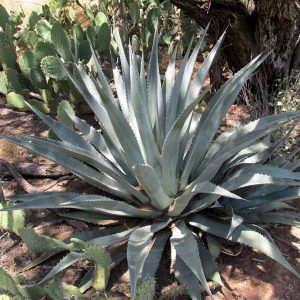 DBG Garden researchers Wendy Hodgson, Andrew Salywon and volunteer Jane Rosenthal describe six rare domesticated agave species whose clones remarkably can still be found living in ancient agricultural fields in Arizona that have not been tended for hundreds of years.
 - Browse the Index of “Plant Press Arizona”
 All current and back issues of “Plant Press Arizona” have been professionally indexed. A google-like search function is also available on our “Plant Press Arizona” page.
 - Bisbee Earns National Wildlife Federation Recognition
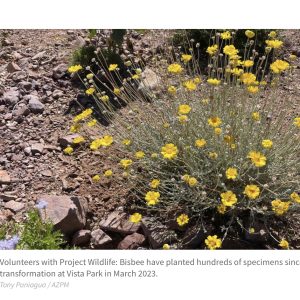 See what a group of Volunteers can accomplish.